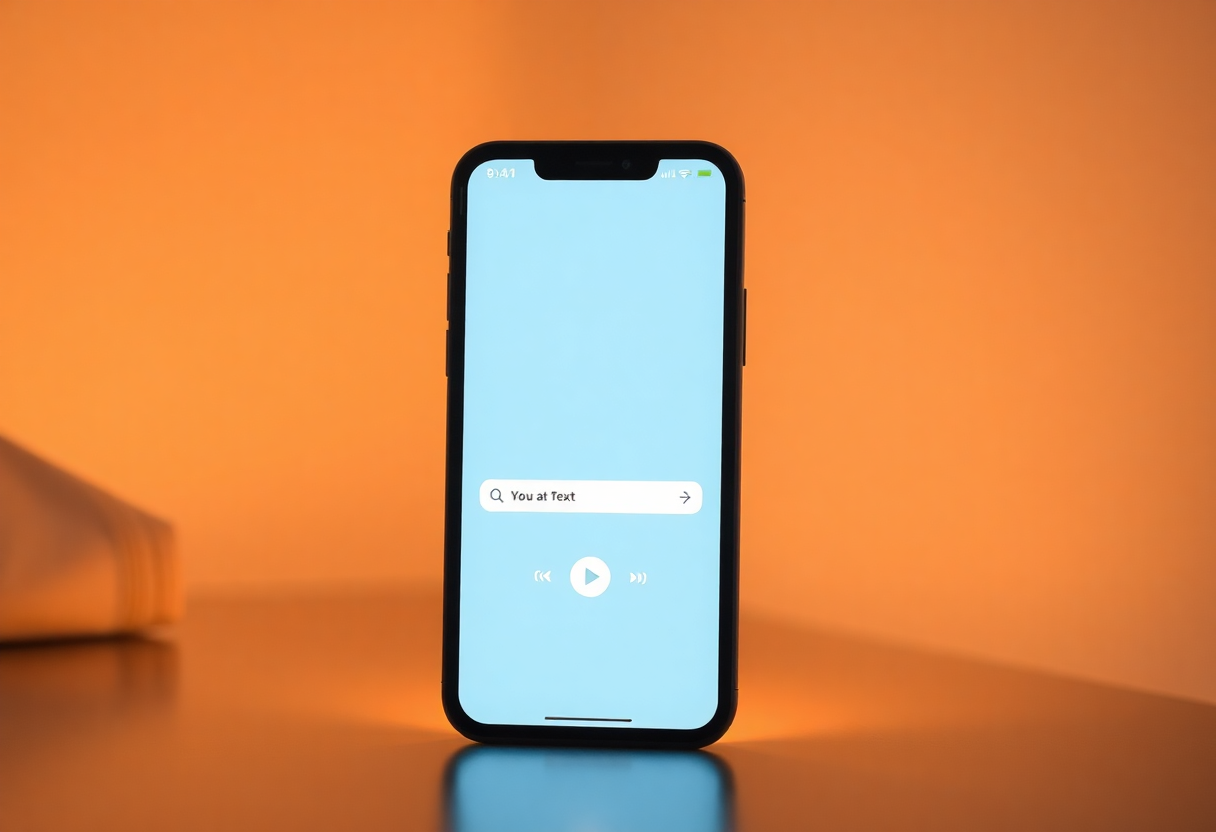
You've signed up, downloaded the app, and you're staring at a home screen asking what you'd like to work on today. There's no coil to plug in, no electrode to place, no hardware manual to skim. Just a soft interface, a list of intentions, and a session ready to start whenever you are. If you've come from the world of frequency devices, or from meditation apps, or from nowhere at all, the first minute inside Qiari raises the same question: what am I actually doing here, and how does this work without a physical device in my hand?
That's what this walkthrough is for. Rather than a generic app tour, this is a real-time explanation of how Qiari works from the moment you open it to the moment you finish your first session, including the decision points where the personalization engine is actually doing something, and why software-delivered frequency sessions can be more precise than hardware-driven ones for a beginner.
The Moment You Open the App for the First Time
The first screen is deliberately quiet. A small library of session categories, a prompt to set an intention, and a suggested session based on the time of day. There's no onboarding video demanding fifteen minutes of your attention before you can try anything. Qiari's approach is that you should feel a session before you understand it intellectually.
What You're Actually Looking At
Three things matter on that first screen. The intention selector, which is the primary input the system uses. The session library, organized by outcome (sleep, focus, calm, energy, and so on) rather than by frequency numbers, which most beginners have no reference point for. And a "start now" option that pulls a session tuned to what most users in your general context tend to select. If you tap it without setting anything, you get a reasonable default. If you spend thirty seconds telling the app what you actually want, you get something noticeably more tailored. That distinction matters more than it looks, and we'll come back to it. The beginner's guide to your first month with Qiari covers the longer arc of this, but the first session is where most people decide whether the whole thing is for them.
How Remote Frequency Sessions Work Without a Device
The obvious question, especially if you've encountered Qi Coil or other frequency hardware before, is how sessions can work through a phone screen and a pair of headphones. It's a fair question. It's also the question that makes people the most suspicious, which is why it deserves a direct answer.
The Core Mechanism (and Why Mainstream Science Doesn't Fully Explain It Yet)
Qiari sessions combine audio-based frequency components, visual entrainment cues, guided intention prompts, and a personalization layer that shapes what you receive based on what you've told the app. Whether the "frequency" part of that operates only through known mechanisms (auditory beat frequencies affecting brainwave states, attention direction, expectation effects) or through something the mainstream model doesn't yet describe well, is genuinely contested. We're not going to pretend otherwise. What we will say is what many users report experiencing: shifts in mental state, subjective sensations of relaxation or activation, and, over time, patterns they didn't have before. That's the honest frame. It's a wellness practice, not a medical intervention, and it's worth reading about how remote frequency wellness works in more detail if you want the fuller picture.
Why App-Based Delivery Changes What You Experience
Here's the piece that gets missed. Hardware devices deliver a fixed signal. You choose a program, you sit near the device, and the device does what it does. Software-delivered sessions, by contrast, can adapt while they're running, respond to what you selected as your intention, layer in personalization based on your session history, and update as the app learns your patterns. That's a different kind of precision. A device-free approach isn't a compromise; it's a different design philosophy, one that trades physical presence for adaptive intelligence.
Choosing Your First Session: The Intention Layer
The intention selector is the single most important thing you'll interact with in your first session. Skipping it is the most common beginner mistake.
How Qiari's AI Reads Your Stated Intention
When you type or tap an intention, Qiari's personalization layer parses it against the session library and your (currently empty) history. It's not just keyword matching. The system weighs the outcome you're describing, the time of day, and the general shape of what tends to serve users with similar starting states. If you're curious about the underlying logic, how Qiari personalizes sessions through the AI layer breaks that down further.
Three Real Examples of How Users Set Intentions
Here's where specificity helps. Generic advice like "set your intention" is useless if you've never done it. So consider three real ways new users tend to phrase it. First: "I'm about to start deep work and I want to feel focused but not wired." That's specific, it names a state, and it names what you're avoiding. Second: "I've been anxious all afternoon and I want to feel like my nervous system has actually come down." That names a starting point and a destination. Third: "I want to fall asleep faster tonight and not wake up at 3am." That's concrete and testable. Notice how none of these are "I want to feel better." Precision in what you ask for changes what you receive. This is worth understanding beyond just the app, and the intention-setting guide for frequency wellness goes deeper.
Starting Your Session: The Pre-Session Checklist
A one-minute setup makes the difference between a session that lands and one that you talk through while checking your phone.
Environment Setup (and Why It Actually Matters)
Headphones on. Notifications off, not just silenced, actually off. A space where nobody's going to walk in for the next ten to fifteen minutes. Dim lighting if it's evening, natural light if it's morning. This isn't ceremony for its own sake. Your attention is one of the active ingredients in the session. Splitting your attention halves the experience, whether or not you can articulate why.
Positioning Yourself for the Best Experience
Sit or lie down. Both work. Sitting is better if you're doing an energy or focus session and you don't want to drift off. Lying down is better for sleep, deep rest, or calm sessions. Keep your spine reasonably supported and your hands unclenched. That's it. No specific posture is required. Your body settles into whatever it needs when the session starts.
What Happens During a 10-Minute Session
Once you tap start, the session moves through phases. You don't need to track them consciously. But knowing they exist helps you notice what your body is doing.
The Audio, Visual, and Frequency Components
The audio layer is what you'll notice first: tones, sometimes music, sometimes ambient texture, tuned to the outcome you selected. If you're watching the screen, you'll see visual cues that match the audio rhythm. Underneath that, the frequency components shift through the session's arc. You don't hear them the way you hear music; you hear them as texture and feel them as state changes. Ten minutes is usually enough for a first session. Some categories run longer once you build up. The 15-minute daily practice framework shows what an established rhythm looks like.
How Personalization Kicks In Real-Time
This is the piece hardware can't do. Based on your intention and, over time, your session history, Qiari adjusts the pacing, the layering, and the transitions during the session. First-timers get a fairly balanced version. By your fifth or sixth session, the system has enough signal to make choices that would look different from what a brand-new user receives, even with the same stated intention.
After Your Session: Why the First One Feels Different
The end of your first session is where the honest conversation starts.
The Common "Did Anything Happen?" Question
Some people finish their first session and feel unmistakably different: calmer, more focused, softer around the edges. Others finish and think, that was pleasant, but I'm not sure what to make of it. Both responses are normal. Frequency wellness isn't like caffeine, where the shift is chemically obvious. It's closer to how a good walk feels: subtle in the moment, more noticeable an hour later, and more noticeable still when you compare a week with sessions to a week without them.
How to Know If a Session Resonated With You
The reliable signals are usually indirect. Did you sleep better that night? Did the anxious loop you were stuck in loosen? Did you get through a work block without checking your phone eight times? Those are the tells. The subjective "wow that felt amazing" is nice when it happens, but it's not the primary marker. Whether Qiari is legit for you is answered in your patterns over two or three weeks, not your first ten minutes. This piece addresses that question honestly.
Building From One Session Into a Practice
One session is a data point. A practice is where the actual value lives.
When to Schedule Your Second Session
If your first session was in the morning, try an evening session next, so you get a feel for how different intentions produce different experiences. If your first was for focus, try one for calm. Contrast teaches you what the sessions actually do. Most people who stick with Qiari settle into a two-to-four session per week rhythm within the first month.
How Frequency Wellness Becomes Intentional, Not Accidental
Casual users treat sessions like they treat meditation apps: on when they remember, off when they forget. Intentional users tie sessions to specific moments (before deep work, before sleep, during a stressful afternoon window) and start to see cumulative shifts. That's the whole game. Frequency wellness doesn't require you to believe anything specific to work as a practice. It requires you to actually practice.
Feeling It For Yourself
Reading about how Qiari works only gets you so far. The point of the whole thing is that your own response to a session is the only data that matters. If any of this has landed, the next move is a ten-minute session where you find out what your own RESONANCE feels like when you stop reading about it and start experiencing it. Start with the signup and first-week guide if you want structure, or just open the app and pick an intention.
Qiari is a wellness experience, not a medical treatment. Consult a qualified healthcare provider for medical conditions.